Showing posts with label improve health. Show all posts

Sunday, 11 October 2015

Muscle Cramps: Unmasking the Fitness Dilemma

The article talks about the occurrence of muscle cramps among individuals who want stay fit and improve their health. Rather than taking medication and drugs to treat muscle cramps, individuals are advised to make adjustments in their training routine and diets to lessen the development of muscle cramps.
 
People nowadays are becoming more conscious about their health, recognizing the importance of exercise and physical activities in their lives. Many have been integrating exercises like jogging, skipping ropes, brisk walking, and other similar exercises in their daily routines. However, there are instances that people who exercise, especially those who run or jog, can be vulnerable to muscle cramps. Muscle cramps are the involuntary and forcible contraction of the muscles. These cramps can be related to a part of a muscle, the entire muscle, or a group of muscles. It may occur many times before it is relieved. Sometimes there can be simultaneous cramps that move body parts in opposite directions. Statistics show that about 95% of individuals experience muscle cramps at some point of their lives.

 Muscle cramps can be caused by different factors which may include poor flexibility, muscle fatigue, electrolyte and mineral depletion, excessive physical exertion, and dehydration. Electrolytes are minerals in the blood and other fluids that carry an energy charge. In addition to these causes, muscle cramps can be linked to some factors like improper breathing and unhealthy diets.
Muscle cramps may disappear on their own, but there are some things that can be done to lessen their severity and longevity. Below are some of the things that can be done to treat muscle cramps.

· Stop the activity that triggered the muscle cramp
· Gently stretch the affected muscle
· Keep the affected muscle moving with light activity (standing and walking around)
· Massage the affected area to aid blood flow

Making adjustments in one's training routine may help prevent the occurrence of muscle cramp. Improving one's cardiovascular fitness may also boost the flow of blood to the muscles. A strong heart may guarantee that there are sufficient amounts of oxygen and nutrients in the muscles for them to function properly. Stretching may also help the muscles become more loose and flexible that may stop the muscles from tightening and cramping. Stretching coupled with a good warm-up session may lead to increased range of movements and help prevent injuries and muscle cramps by prompting muscle recovery.
In terms of breathing and healthy diets, people who workout should make sure that plenty of water is taken before and while working out to replace lost electrolytes. Deep breaths should be done while working out to allow consumption of plenty of oxygen. Studies show that when oxygen intake is more efficient the following may take place: slower heart rate, decreased blood pressure, eased anxiety, and relaxed muscles. Workouts should not be overdone to prevent the occurrence of muscle cramps. Any cramping usually subside after a few minutes of rest but if individuals are having trouble with their cramps they should seek the advise of doctors of other health specialists.

Rather than seek for the treatments or remedies for muscle cramps engaging in proper pre-workout and workout routines may eliminate or lessen the occurrence of these health ailment. The use of over-the-counter medication to treat muscle cramps is not prohibited. But individuals who wish to try them should consult doctors before taking them and not self-medicate. Proper workouts and healthy diets prioritized rather than taking muscle relaxants and other medications to treat muscle cramps.


Damian@FitnHealthy

Friday, 9 October 2015

Hiking Truly Is Healthy

Hiking Truly Is Healthy
A fit body is a happy body, and one of the best ways to stay healthy is to get plenty of exercise. Hiking is an efficient way to increase your action level, while offering an excess of health benefits. Start gradually, especially if you are a bit out of shape. Invest in a sturdy pair of hiking boots and do your research first. Many hiking trails are evaluated by intensity, so get a hiking guide and start out at the level that is correct for you. Get your doctor's advice before hiking if you are pregnant or have any health issues, such as heart illness or even if you are diabetic.

Improves Your Overall Health
Hiking is an exceptional way to get outdoors and get some exercise. Hiking offers prosperity in overall health benefits and may help extend your life. Moderate-intensity aerobic exercise, including hiking at your own level, is safe for most people, according to the Centres for Illness Control and Prevention.

Lowers Your Risk of Cardiovascular Disease
Take a hike to help keep your cardiac system top shape. Regular exercise, such as hiking, helps raise your high-density lipoprotein levels and lower your triglyceride levels. This diminishes your risk of heart disease, high blood pressure and of having a stroke.

Helps Prevent and Control Diabetes
Consistent hiking helps you to control, and or even prevent diabetes by depressing your blood sugar levels. Hiking gives your muscles a workout, which transfers glucose from your bloodstream for energy. Talk to your doctor first as you may need your diabetes medications attuned when hiking frequently.

Increases Your Energy Level
Aerobic undertakings such as hiking bring in extra oxygen and fuel your muscles, organs and even body tissues. This additional oxygen provides an enhancement fuelled by a process called Glycolysis whereby energy is created when glucose is broken down and this strengthens your muscles and lungs, while increasing your stamina, attentiveness and energy level.

Lowers Your Cancer Risk
Hiking helps decline your odds of developing cancer cells. There is a lesser risk of breast cancer and colon cancer linked with regular physical exercise, and it may also drop your chances of acquiring lung cancer and endometrial cancer.

Source 

Saturday, 22 August 2015

11 Proven Health Benefits of Chia Seeds

Chia seeds are among the healthiest foods on the planet.
They are loaded with nutrients that can have important benefits for your body and brain.
Here are 11 health benefits of chia seeds that are supported by human studies.

1. Chia Seeds Deliver a Massive Amount of Nutrients With Very Few Calories

Chia seeds are tiny black seeds from the plant Salvia Hispanica, which is related to the mint.
This plant grows natively in South America.
Chia seeds were an important food for the Aztecs and Mayans back in the day.
They prized them for their ability to provide sustainable energy… in fact, “chia” is the ancient Mayan word for “strength.”
Despite their ancient history as a dietary staple, only recently did chia seeds become recognized as a modern day superfood.
In the past few years, they have exploded in popularity and are now consumed by health conscious people all over the world.
This is what chia seeds look like:
Chia Seeds In A Bowl
Don’t be fooled by the size… these tiny seeds pack a powerful nutritional punch.
A 1 ounce (28 grams) serving of chia seeds contains (1, 2):
  • Fiber: 11 grams.
  • Protein: 4 grams.
  • Fat: 9 grams (5 of which are Omega-3s).
  • Calcium: 18% of the RDA.
  • Manganese: 30% of the RDA.
  • Magnesium: 30% of the RDA.
  • Phosphorus: 27% of the RDA.
  • They also contain a decent amount of Zinc, Vitamin B3 (Niacin), Potassium, Vitamin B1 (Thiamine) and Vitamin B2. 

This is particularly impressive when you consider that this is just a single ounce, which supplies only 137 calories and one gram of digestible carbohydrate!
Just so that we’re all on the same page, 1 ounce equals 28 grams, or about 2 tablespoons.
Interestingly… if you subtract the fiber, which may not end up as usable calories for the body, chia seeds only contain 101 calories per ounce.
This makes them one of the world’s best sources of several important nutrients, calorie for calorie.
To top things off, chia seeds are a “whole grain” food, are usually grown organically, are non-GMO and naturally free of gluten.
Bottom Line: Despite their tiny size, chia seeds are among the most nutritious foods on the planet. They are loaded with fiber, protein, Omega-3 fatty acids and various micronutrients.

2. Chia Seeds Are Loaded With Antioxidants

Chia Seeds in Glass BowlAnother area where chia seeds shine is in their high amount of antioxidants (3, 4).
These antioxidants protect the sensitive fats in the seeds from going rancid (5).
Although antioxidant supplements are not very effective, getting antioxidants from foods can have positive effects on health (6).
Most importantly, antioxidants fight the production of free radicals, which can damage molecules in cells and contribute to ageing and diseases like cancer (7, 8).
There are some claims online about chia seeds having more antioxidants than blueberries, but I was unable find a study to verify this claim.
Bottom Line: Chia seeds are high in antioxidants that help to protect the delicate fats in the seeds. They also have various benefits for health.

3. Almost All The Carbs in Them Are Fiber

Wooden Spoon With Chia SeedsLooking at the nutrition profile of chia seeds, you see that an ounce has 12 grams of “carbohydrate.”
However… 11 of those grams are fiber, which isn’t digested by the body.
Fiber doesn’t raise blood sugar, doesn’t require insulin to be disposed of and therefore shouldn’t count as a carb.
The true carb content is only 1 gram per ounce, which is very low. This makes chia a low-carb friendly food.
Because of all the fiber, chia seeds can absorb up to 10-12 times their weight in water, becoming gel-like and expanding in your stomach (9).
Theoretically, this should increase fullness, slow absorption of your food and help you automatically eat fewer calories.
Fiber also feeds the friendly bacteria in the intestine, which is important because keeping your gut bugs well fed is absolutely crucial for health (10).
Chia seeds are 40% fiber, by weight. This makes them one of the best sources of fiber in the world.
Bottom Line: Almost all of the carbohydrates in chia seeds are fiber. This gives them the ability to absorb 10-12 times their weight in water. Fiber also has various beneficial effects on health.

4. Chia Seeds Are High in Quality Protein

A Pile of Chia SeedsChia seeds contain a decent amount of protein.
By weight, they are about 14% protein, which is very high compared to most plants.
They also contain a good balance of essential amino acids, so our bodies should be able to make use of the protein in them (11, 12).
Protein has all sorts of benefits for health. It is also the most weight loss friendly nutrient in the diet, by far.
A high protein intake reduces appetite and has been shown to reduce obsessive thoughts about food by 60% and the desire for night time snacking by 50% (13, 14).
Chia seeds really are an excellent protein source, especially for people who eat little or no animal products.

Bottom Line: Chia seeds are high in quality protein, much higher than most plant foods. Protein is the most weight loss friendly macronutrient and can drastically reduce appetite and cravings.

5. Due to The High Fiber and Protein Content, Chia Seeds Should be Able to Help You Lose Weight

Overweight Woman Holding a Scale With Thumbs upMany health experts believe that chia seeds can help with weight loss.
The fiber absorbs large amounts of water and expands in the stomach, which should increase fullness and slow the absorption of food (15).
There have been several studies on glucomannan, a fiber that works in a similar way, showing that it can lead to weight loss (16, 17).
Then the protein in chia seeds could help to reduce appetite and food intake.
Unfortunately, when the effects of chia seeds on weight loss have been studied, the results have been rather disappointing.
Although one study showed that chia seeds can reduce appetite, there was no significant effect on body weight (18).
In a study on 90 overweight people, 50 grams of chia seeds per day for 12 weeks had no effect on body weight or health markers (19).
In another 10 week study of 62 women, chia seeds had no effect on bodyweight but did increase the amount of Omega-3s in the blood (20).
Although just adding chia seeds to your diet is unlikely to affect your weight, I personally believe that they can be a useful addition.
A weight loss diet is about more than just adding or subtracting single foods. The entire diet counts, as well as other lifestyle behaviors like sleep and exercise.
When combined with a real food based diet and a healthy lifestyle, I can definitely see how chia seeds could help with weight loss.
Bottom Line: Chia seeds are high in protein and fiber, both of which have been shown to aid weight loss. However, the studies on chia seeds have not noted any effects on weight.

6. Chia Seeds Are High in Omega-3 Fatty Acids

Like flax seeds, chia seeds are very high in Omega-3 fatty acids.
The Word Chia Spelled With Chia Seeds
In fact, chia seeds contain more Omega-3s than salmon, gram for gram.
However… it’s important to keep in mind that the Omega-3s in them are mostly ALA (Alpha Linolenic Acid), which is not as beneficial as you may think.
ALA needs to converted into the “active” forms, EPA and DHA, before it can be used by the body.
Unfortunately, humans are inefficient at converting ALA into the active forms. Therefore, plant Omega-3s tend to be vastly inferior to animal sources like fish (21).
Studies have shown that chia seeds (especially if they are milled) can increase blood levels of ALA and EPA, but not DHA… which is a problem (20, 22)
Because they don’t supply any DHA (the most important Omega-3 fat), I think chia seeds are overrated as an Omega-3 source.
In order to get the DHA your body and brain desperately need… either eat fatty fish regularly, take fish oil, or take a DHA supplement if you are vegan or vegetarian.
Bottom Line: Chia seeds are very high in the Omega-3 fatty acid ALA. However, humans are not good at converting this into DHA, the most important Omega-3 fatty acid.

7. Chia Seeds May Improve Certain Blood Markers, Which Should Lower The Risk of Heart Disease and Type 2 Diabetes

Chia Seeds in a Heart Shaped BowlGiven that chia seeds are high in fiber, protein and Omega-3s, they should be able to improve metabolic health.
This has been tested in several studies, but the results have been inconclusive.
In two studies, a diet with chia seeds, soy protein, oats and nopal, has been shown to lower LDL cholesterol and triglycerides, increase HDL cholesterol and reduce inflammation (23, 24).
Because these studies also used other ingredients, nothing can be concluded about the chia seeds themselves.
Rat studies have also shown that chia seeds can lower triglycerides, raise HDL (the “good”) cholesterol and reduce inflammation, insulin resistance and belly fat (25, 26).
However, a study that looked at just chia seeds did not note any improvements (20).
Overall… it is possible that chia seeds can improve these risk factors, but probably won’t have a major effect unless followed by other beneficial changes in the diet.
Bottom Line: The effects on cholesterol levels and other risk factors is inconclusive. Some studies show an effect, others do not.

8. They Are High in Many Important Bone Nutrients

Smiling Elderly WomanChia seeds are high in several nutrients that are important for bone health.
This includes calcium, phosphorus, magnesium and protein.
The calcium content is particularly impressive… 18% of the RDA in a single ounce.
Gram for gram, this is higher than most dairy products.
Chia seeds may be considered an excellent source of calcium for people who don’t eat dairy.
Bottom Line: Chia seeds are high in calcium, magnesium, phosphorus and protein. All of these nutrients are essential for bone health.

9. Chia Seeds Can Cause Major Improvements in Type 2 Diabetics

White Bowl Full of Chia SeedsThe most successful application of chia seeds to date was in a study on type 2 diabetic patients
In this study, 20 diabetic patients received either 37 grams of chia seeds, or 37 grams of wheat bran, for 12 weeks (27).
When they got the chia seeds, they saw improvements in several important health markers.
Blood pressure went down by 3-6 mm/Hg and an inflammatory marker called hs-CRP went down by 40%. A risk factor called vWF also decreased by 21%.
There was also a small drop in blood sugar, but it wasn’t statistically significant.
Given that chia seeds are high in fiber, it does seem plausible that they could help reduce blood sugar spikes after meals, but this needs to be confirmed in studies.
Bottom Line: A study in type 2 diabetics showed that chia seeds can significantly lower blood pressure and a marker for inflammation.

10. Chia Seeds Can Improve Exercise Performance as Much as a Sports Drink

Man With Sports DrinkLegend has it that the Aztecs and Mayans used chia seeds to fuel performance back in the day.
There is one recent study suggesting that this may be effective…
In this study, 6 participants “carb loaded” with either gatorade, or a mix of half gatorade/half chia seeds (28).
Then they ran for an hour on a treadmill, followed by a timed 10 kilometer long run.
There was no difference between the two groups.
In other words, replacing half of the gatorade with chia seeds did not reduce the performance of the athletes, indicating that chia seeds were of some use.
According to this study, chia seeds can help athletes “carb load” for endurance events, while increasing their intake of nutrients and decreasing their intake of sugar.
However, I’d personally like to see some larger studies on this. Given that most of the carbs in chia seeds are fiber, it doesn’t make much sense that they could be used for carb loading.
Bottom Line: One small study shows that chia seeds can partly replace gatorade as a way of carb loading for endurance athletes, but this needs to be studied more.

11. Chia Seeds Are Easy to Incorporate Into Your Diet

Chia Seed PuddingOkay, this last one is not a health benefit, but important nonetheless.
Chia seeds are incredibly easy to incorporate into your diet.
The seeds themselves taste rather bland, so you can add them to pretty much anything.
They also don’t need to be ground like flax seeds, which makes them much easier to prepare.
They can be eaten raw, soaked in juice, added to porridges and puddings, or added to baked goods.
You can also sprinkle them on top of cereal, yogurt, vegetables or rice dishes.
Because of their ability to absorb both water and fat, they can be used to thicken sauces and even used as egg substitutes in recipes.
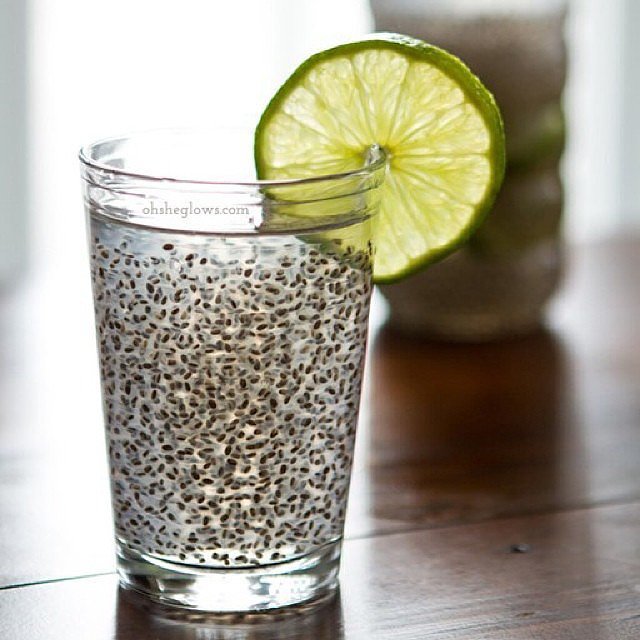
They can also be mixed with water and turned into a gel.
Adding chia seeds to recipes will dramatically boost the nutritional value.
If you want to buy chia seeds, then there is an excellent selection on Amazon with thousands of customer reviews.
They do seem to be well tolerated… but if you’re not used to eating a lot of fiber, then there is a possibility of digestive side effects if you eat too much of them at a time.
A common dosage recommendation is 20 grams (about 1.5 tablespoons) of chia seeds, twice per day.

Source

Wednesday, 22 July 2015

5 Must-Try Green Smoothie Recipes


“What’s the one thing I should be eating to improve my health?” As registered dietitians, this is one of the most common questions we hear. Our answer? The title of our most recent book, The Nutrition Twins Veggie Cure, says it all. Yes, veggies! Greens, specifically, are the number one food you can eat regularly to improve your health.
From arugula and Swiss chard to romaine and spinach, leafy vegetables are a great source of fiber, vitamins, minerals and phytonutrients that protect against heart disease, diabetes and cancer. They prevent damage from free radicals, stopping chronic inflammation and the associated diseases in their tracks, as well as cell deterioration and the age-related decline that comes with it. Plus, they help to keep skin youthful and radiant thanks to their collagen-promoting vitamin C and their vitamin A/beta-carotene content, which also aids in the inflammation battle and calms the redness surrounding a skin flare-up. And greens assist your liver in its detoxification process—so if you’ve had a couple cocktails, a few too many refined foods or been in a smoky room, these are the foods to help “undo” the damage. In fact, greens like kale and bok choy are two of the few foods that actually assist the liver in both phases of its detoxification process, so they’re superstars when it comes to ridding the body of toxins.
If salads are feeling so 2014 for you, there’s a new way to get your greens and reap all these benefits (and it’s a lot more appealing than a mound of steamed greens on the side of your plate). It’s easy, delicious and even breakfast-friendly—it’s a green smoothie. After all, many greens become undetectable when combined in a smoothie and they take just seconds to transform. And what better way to start your day than with a simple, nourishing breakfast that packs in greens? Here are some pointers for making the most of your smoothies and easy, at-home ways to get your nutrients.
Create your own green smoothie by following these green-smoothie basics. (If you simply want to try a green smoothie recipe that’s tried, true and delicious, make one of the recipes below by blending the ingredients together.)
  1. Start with your greens: Typically a few large fistfuls (about 2 cups) will do the trick. Spinach is one the mildest greens and is hardly detectable, but all greens, including kale, romaine and even parsley and mint are fantastic additions. Try a variety of greens and see what you like best.
  2. Add some fruit: Fruits add natural sweetness, fiber and phytonutrients for even more of a beneficial boost to your morning. We prefer to add frozen fruits because they make the smoothie more refreshing and “dessert-like.” One half of an overripe banana is a great addition and adds sweetness—frozen berries are great, too. Frozen pineapple chunks can add a lot of sweetness with just a few pieces, but most fruits work well. The key is to keep the fruit portions in check (about half the portion or less, compared to the green) to keep the calories from getting too high.
  3. Add your protein/“satiety factor”: Think Greek yogurt, nuts or nut butters, hemp seeds or a scoop of protein powder. One to 2 tablespoons of a nut or seed adds nutrients and healthy fat—but stick to just that portion (about six to eight nuts), as the calories from nuts add up quickly and could cause your smoothie to contain a lot more calories than you bargained for. (Note: If you skip the protein, you’ll need to eat a source of protein with your smoothie to keep you satiated and your energy levels up.) 
  4. Add liquid: Add anywhere from 1/2 to 1 cup of either water, unsweetened nut milk or coconut water to make your smoothie. Unsweetened vanilla almond milk adds a nice flavor boost.

Green Smoothie Recipes to Get You Started

Kale Recharge and Detox Smoothie

This light and refreshing smoothie packs a nutrient punch with carrots, kale and spinach. Ginger helps to soothe the stomach while also assisting in fighting inflammation, and the lime adds immune-boosting vitamin C.

Skinny Green Smoothie

Cool, sweet and refreshing, this smoothie is potassium-packed and ultra-hydrating thanks to spinach, cucumber, orange juice, lime, pineapple and coconut water. This combination helps to quickly flush bloat by keeping you hydrated.

Healthy Green Smoothie

Sweet and fruity, the peach and apple complement the spinach and vanilla soymilk, making it a great way to squeeze in those greens in the morning (or for a snack)—all for just 73 calories. Again, eat a lean source of protein with it to make it more satisfying and to round out the meal.

Avocado and Apple Green Smoothie

The good-for-you monounsaturated fat in the avocado boosts the absorption of fat-soluble vitamins beta carotene, vitamin E and antioxidants from the green tea and apple, as well as the avocado.

Detoxifying Green Tea Smoothie

Rich in water and potassium, this smoothie helps flush sodium and restore normal fluid balance. The sulforaphane, a phytochemical found in the kale and chard, helps the liver to flush out harmful toxins, while the phytonutrients in the green tea, fruits and vegetables stave off damage from invading particles.

Monday, 6 April 2015

The Benefits of Boxing Training for Fitness

You may improve your health and have a physically fit body by getting into a boxing training fitness program. This is the best way for you to have a stronger body and gain confidence. Boxing workouts can help you to be at your best fighting form as well. 


Many people see positive results from boxing training. You may build stronger and more defined arms and legs. These programs and classes also help you to gain a sense of inner strength and emotional balance.
Boxing training classes got across to the mainstream of physical fitness training a few years back. They have seen the benefits on the cardiovascular and toning of the muscles by these boxing training workouts. Tae Bo work out videos also popularized these boxing and kickboxing exercises.
Cardio boxing training classes and the innovative variations of the sparring jabs, power punches, defense, and fitness blend all of the aerobics exercises. You will learn the proper execution of the punch and kick combinations for a more intensive workout that can help you become stronger and more confident.
The combinations you perform on the blocks, jabs, and kicks are executed upon an imagined opponent. You may see classes where participants throw punches and kicks on the air. You will also find training camps that have quality equipment such as punching bags. You may also have the option of getting a partner that uses padded hands.
You can enjoy more benefits aside from the physical aspects of boxing trainings. Cardio kick boxing workouts allow you to burn off 350 to 500 calories in just an hour. It also helps maintain the heart rate at 75 to 85 percent of the regular beats. This has been proven to be good and is the recommended range if you are exercising or into training.
Moreover, these boxing training classes improve your speed, resistance, and strength. Flexibility and the reflexes of the muscles are also enhanced. Repetitive motion of the arms by sparring and jogging while you punch helps your arms and legs gain strength and power.
These workouts also enable your joint movements to build very efficient fitness results. These movements require you to develop balance and coordination that enables your body to be stable and maintain good form.
The physical benefits you gain from boxing and kickboxing are just few of the many benefits that you will receive. You will be able to learn more about defense mechanism skills, which you may use in case of unpleasant situations. You will also feel positive satisfaction when you punch or kick. Relaxation and self-motivation is also developed.
You will experience a sigh of relief and feel that you are released from stressed. This training also helps you to get rid of that anger that is inside of you. Once these things are release, you may feel lightness in your body and peace of mind as well.
Many aerobic and fitness experts recommend boxing training lessons for beginners. It allows you to workout at your desired pace and body condition. Boxing classes also let you to push yourself to the limit as long as you are well conditioned.
Positive results await you with boxing training. You will enjoy a physically fit body and will keep youself in better shape. You have the option of working out and exercising at your preferred level and skill. Enjoy the fun and benefits of these boxing training programs.

Source
 

Thursday, 12 March 2015

Pre- and Post-workout Nutrition for High-Intensity Interval Training

High-intensity interval training (HIIT) has become hugely popular thanks to real results in shorter periods of time and extensive benefits. With busy schedules the norm, it’s no wonder so many clients and potential clients are now seeking out these kinds of workouts.
HIIT, which involves repeated sessions of relatively brief, intermittent exercise, usually performed at very high intensity, can be easily modified for various client needs and fitness levels. When combined with an expert nutrition program, personalized HIIT programs can elicit serious results and health benefits, including:
-Improve blood pressure and cardiovascular health
-Improved insulin sensitivity
-Improved body composition
Whether you’re adding HIIT to your own personal fitness program or ramping up client results and health benefits with this style of training, it’s important to understand the nutritional needs to support it from start to finish. While nutritional needs do vary by individual and training program, these nutrition plans and meal ideas for pre- and post-workout nutrition can help.

General Nutrition to Support a H.I.I.T. Program
To get the most out of any fitness program, clients should follow a healthy meal plan in general. Effective and well-rounded nutrition programs are based on a variety of healthful ingredients such as whole grains, fruits and vegetables, and lean proteins. The best nutrition plans provide adequate calories and macronutrients such as carbohydrates to fuel the body and provide energy stores for workouts. It’s important that these are expertly created programs that allow you to stay within your scope of practice and prevent clients adopting a restrictive diet that may inhibit their success. Adequate water is also a must to ensure complete hydration during workouts.

Pre-workout Nutrition for HIIT
Due to the intensity of these workouts, it’s vital to follow a healthy nutrition plan with adequate nutrition in the days and hours leading up to a workout. Plan on a moderate- to high-carbohydrate meal that also includes protein approximately three to four hours before the HIIT workout, and then another high-carbohydrate snack within an hour after the workout. Good options for a pre-workout meal include:
-Whole-wheat toast with peanut butter and banana
-Non-fat Greek yogurt or cottage cheese with fruit
-Dried fruit and almonds

Post-workout Nutrition for HIIT
The biggest nutritional concern post-workout is replacing energy stores (glycogen) and repairing muscles that have been broken down during the intense workout. Again, a combination of carbohydrates and protein has been shown to be most effective. Research shows that a 3:1 ratio of carbohydrates to protein within 30 minutes of completing a HIIT workout is best for replacing energy stores in preparation for the next high-intensity workout. Suggestions for post-workout nutrition are similar to pre-workout meals and include:
-Whole-grain cereal with fruit and soy milk
-Whole-wheat crackers with fruit and cheese
-Hummus and pita bread
The best pre- and post-workout nutrition boosts energy and results—and client motivation. Help clients to achieve the results they demand while you improve client retention with an effective nutrition program for high-intensity interval training.

Reference
Gibala, M.J. (2007). High-intensity interval training: New insights. Gatorade Sports Science Institute Sports Science Exchange, 20, 2.

Source

Thursday, 22 January 2015

How to Stay Motivated When You Don't See Results


The discouragement of failing to witness noticeable results from countless hours of rigorous workout activity might cause you to rethink whether the daily exercise grind is actually worth it. The feel-good concept of working out to improve your overall health and well-being may be satisfactory on the surface, but copious amounts of pain without any gain can cripple your motivation. It's important to remember why you decided to alter your lifestyle to begin with, though, even if you don't see quick results.

Keep Calm
There's no doubt that it takes several weeks for your results to pop in the mirror. Some people are able to gain noticeable results faster than others, but that shouldn't deter you from exercising at least three or four times per week. It's important to keep your ultimate goal in mind and remember that you're not going to suddenly become sculpted overnight, or over the course of a month, for that matter.

Challenge Yourself

It's not a simple feat to overcome discouragement, but it is possible to internalize those harsh feelings and transform a negative, can't-do attitude. If you're feeling unsatisfied with the hard work you've committed to, challenge yourself by increasing the intensity of each workout. You can accomplish this by decreasing rest time in between sets, which has been scientifically tested to improve your endurance and increase your body's natural ability to burn fat. For high-intensity workout purposes, rest for just 30 to 45 seconds in between sets.

Visualize Success

Even though it might seem cliché and somewhat silly, visualizing your goals can help keep you motivated. Regardless of whether your goal is to burn off enough flab to flaunt washboard abs at the beach, or slim down to squeeze into your high school prom dress, visualizing your moment can help you achieve what might currently seem impossible. Do what you can to fend off brief moments of discouragement by remembering why you became an avid workout enthusiast to begin with.

Ignore Negativity
The process of visualization should help you conquer negative thoughts that creep into your mind, but it's also important to tune-out family members and friends who have a tendency to induce negativity or invoke poor decisions. Even though it might be tempting to skip the gym for an extended happy hour with your friends after a rough day at the office, you need to remain resilient and think of the potential consequences. A couple of drinks have the potential to increase your food cravings, which can lead to poor dietary decisions and stall your progress.

Don't Give Up!
As simple as it might seem, giving up on your goal won't fuel your passion or diminish your discouragement. If maintaining a trimmed down figure was easy to do, obesity wouldn't be at the root of many health concerns in the United States. You have the opportunity to not only change your lifestyle by exercising regularly, but also achieve high-quality health. Anything that is difficult to accomplish is worth doing, no matter how discouraging it might be. Even if you don't see results today, remember that each workout pushes you one day closer to reaching your moment of visualization.

Source