Having a home gym is very attractive idea for anybody who likes to
regularly exercise at home. Home gym has many benefits when compared
with commercial gyms. In the home gym, one can exercise whenever one
wants, there is no time lost trafficking, there is no time lost waiting
for some other guy or girl to finish, there are no gym fees, it can be
accustomed to personal needs etc. On the other hand, home gyms require
space and money to buy and maintain.
Having a home gym is very attractive idea for anybody who likes to
regularly exercise at home. Home gym has many benefits when compared
with commercial gyms. In the home gym, one can exercise whenever one
wants, there is no time lost trafficking, there is no time lost waiting
for some other guy or girl to finish, there are no gym fees, it can be
accustomed to personal needs etc. On the other hand, home gyms require
space and money to buy and maintain.Money for home gyms many consider to be the main problem, but in the long run, you are actually saving money because you are not paying monthly gym fees, you don't spend any money trafficking etc. So, when building a home gym, consider purchasing equipment little by little, month by month or even quarterly or annually.
Cardio Equipment
Depending on your personal preferences, cardio equipment can be in the form of expensive, but durable and sturdy treadmill or elliptical, or if you have ordinary bike, you can purchase a bike stand for just a fraction of cost of good treadmill or elliptical.
Home foldable treadmills cost less, especially self-powered models, and they are great choice for people who prefer walking as the form of low impact, low intensity cardio.
If you have good, heavy rope for rope jumping (and enough high ceiling), you have all necessary equipment for good cardio workout. Ordinary rope can be purchased in any hardware store for cheap.
If you like Martial Arts, good punching bag will build your strength, stamina and burn fat tremendously. Punching bag can be used as warm-up, as main workout, or to burn extra calories after main workout. Note that if you have never used punching bag, it is highly recommendable to find someone to show you how to actually punch.
To save space, punching bag can be stored away and mounted when required.

Exercise Equipment
Pull-up bars can be wall mounted, ceiling mounted, part of dip station or squat cage, doorway mounted etc. Simple pull-up bars are cheap and reliable – fix them somewhere on the wall and use them for great back and biceps workouts with various pull-ups and chin-ups.
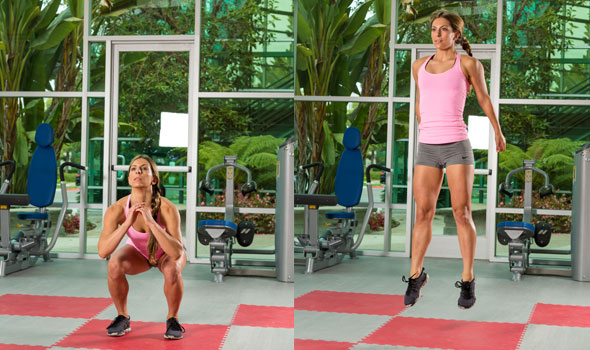
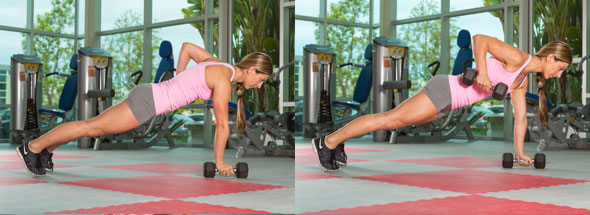
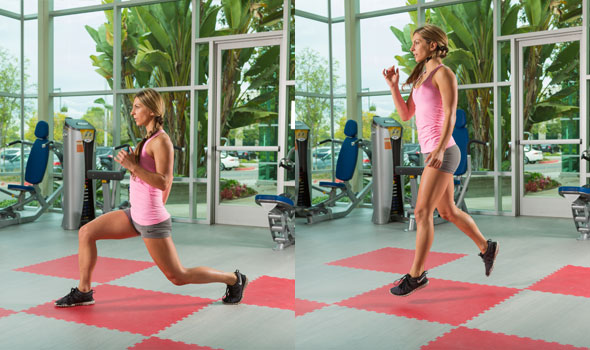
With just a few items – bike stand, rope, punching bag and pull-up bar – one can make great full body workout that will increase strength, stamina, increase muscle mass, burn fat etc. And in the case of circular workouts, even full-body workout doesn't have to last more than 60 minutes. List of exercises that can be done using such equipment is rather long: cycling, running, walking, rope jumping, bag punching and kicking, various push-ups, various squats, various pull-ups and chin-ups, burpees, various abs exercises etc. As one can see, plenty of these exercises are bodyweight exercises and even if you are gym rat, don't underestimate them.
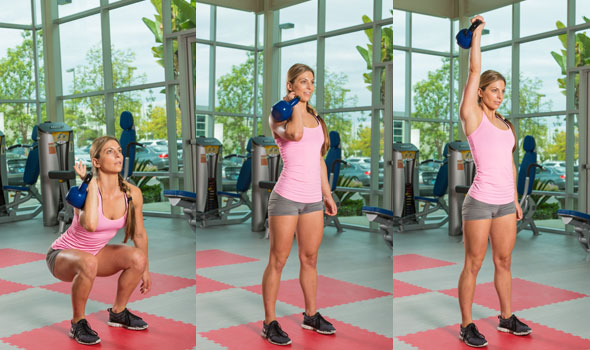
Next piece of equipment that one should consider for home gym are dumbbells – variable or adjustable dumbbells with proper stand. Variable dumbbells save space and even money in the long run when compared with ordinary dumbbells, but their initial price is relatively high.
Note that with the pair of adjustable dumbbells only one person can exercise at one time – with modern variable weight dumbbells this is not great issue, since weight can be changed often in just a few seconds. Variable or not, dumbbells are great for many exercises and it is nice to have them.
After bench, one needs good, solid barbell with some weights according to your needs. When considering weights, choose weight plates with rubber coating. Rubber coating prevents rust to occur, they are much quitter when used, protects walls and plates from getting damaged etc. Also, consider weight stand to store your weights and some rubber mats to put around your bench – your floors will last longer.
As one progress, squat rack is next to be obtained – it requires space and strong floors, but for various squats, it is a must have equipment.
On the other hand, if you don't have much room for various weights, bars, barbells, racks etc., and you just need 'something' to work out on, consider all-in-one home gym exercise machine. There are several types of them and most of them look like medieval torturing devices, but in the end, they get their job done. Just don't expect levels and type of resistance as if you are working out with regular weights.

Maintaining a home gym is rather easy. Each exercise machine must be maintained as recommended by their manufacturer. This often includes lubrication, changing pulleys, cables, batteries and similar.
Good AC unit is required for keeping proper temperature and humidity levels. Be sure to regularly clean air filters on your AC unit, since filters decrease amount of dust and other airborne particles in the gym.
Strong vacuum cleaner with various cleaning attachments for reaching corners and tight areas is great thing to have. Such vacuums doesn't have to cost much and can be a general home vacuum, like ordinary Shark NV356e or any similar vacuum cleaner. Once a week, clean entire area and if you have time, clean the equipment with wet, disinfecting wipes. Maybe this sounds too much, but clean home gym is more pleasant environment for regular workouts than a dirty one.
Source