
Hiking Truly Is Healthy
 A fit body is a happy body, and one of the best ways to stay healthy
is to get plenty of exercise. Hiking is an efficient way to increase
your action level, while offering an excess of health benefits. Start
gradually, especially if you are a bit out of shape. Invest in a sturdy
pair of hiking boots and do your research first. Many hiking trails are
evaluated by intensity, so get a hiking guide and start out at the level
that is correct for you. Get your doctor's advice before hiking if you
are pregnant or have any health issues, such as heart illness or even if
you are diabetic.
A fit body is a happy body, and one of the best ways to stay healthy
is to get plenty of exercise. Hiking is an efficient way to increase
your action level, while offering an excess of health benefits. Start
gradually, especially if you are a bit out of shape. Invest in a sturdy
pair of hiking boots and do your research first. Many hiking trails are
evaluated by intensity, so get a hiking guide and start out at the level
that is correct for you. Get your doctor's advice before hiking if you
are pregnant or have any health issues, such as heart illness or even if
you are diabetic.
Improves Your Overall Health
Hiking is an exceptional way to get outdoors and get some exercise. Hiking offers prosperity in overall health benefits and may help extend your life. Moderate-intensity aerobic exercise, including hiking at your own level, is safe for most people, according to the Centres for Illness Control and Prevention.
Lowers Your Risk of Cardiovascular Disease
Take a hike to help keep your cardiac system top shape. Regular exercise, such as hiking, helps raise your high-density lipoprotein levels and lower your triglyceride levels. This diminishes your risk of heart disease, high blood pressure and of having a stroke.
Helps Prevent and Control Diabetes
Consistent hiking helps you to control, and or even prevent diabetes
by depressing your blood sugar levels. Hiking gives your muscles a
workout, which transfers glucose from your bloodstream for energy. Talk
to your doctor first as you may need your diabetes medications attuned
when hiking frequently.
 Increases Your Energy Level
Aerobic undertakings such as hiking bring in extra oxygen and fuel your muscles, organs and even body tissues. This additional oxygen provides an enhancement fuelled by a process called Glycolysis whereby energy is created when glucose is broken down and this strengthens your muscles and lungs, while increasing your stamina, attentiveness and energy level.
Lowers Your Cancer Risk
Hiking helps decline your odds of developing cancer cells. There is a lesser risk of breast cancer and colon cancer linked with regular physical exercise, and it may also drop your chances of acquiring lung cancer and endometrial cancer.
Source
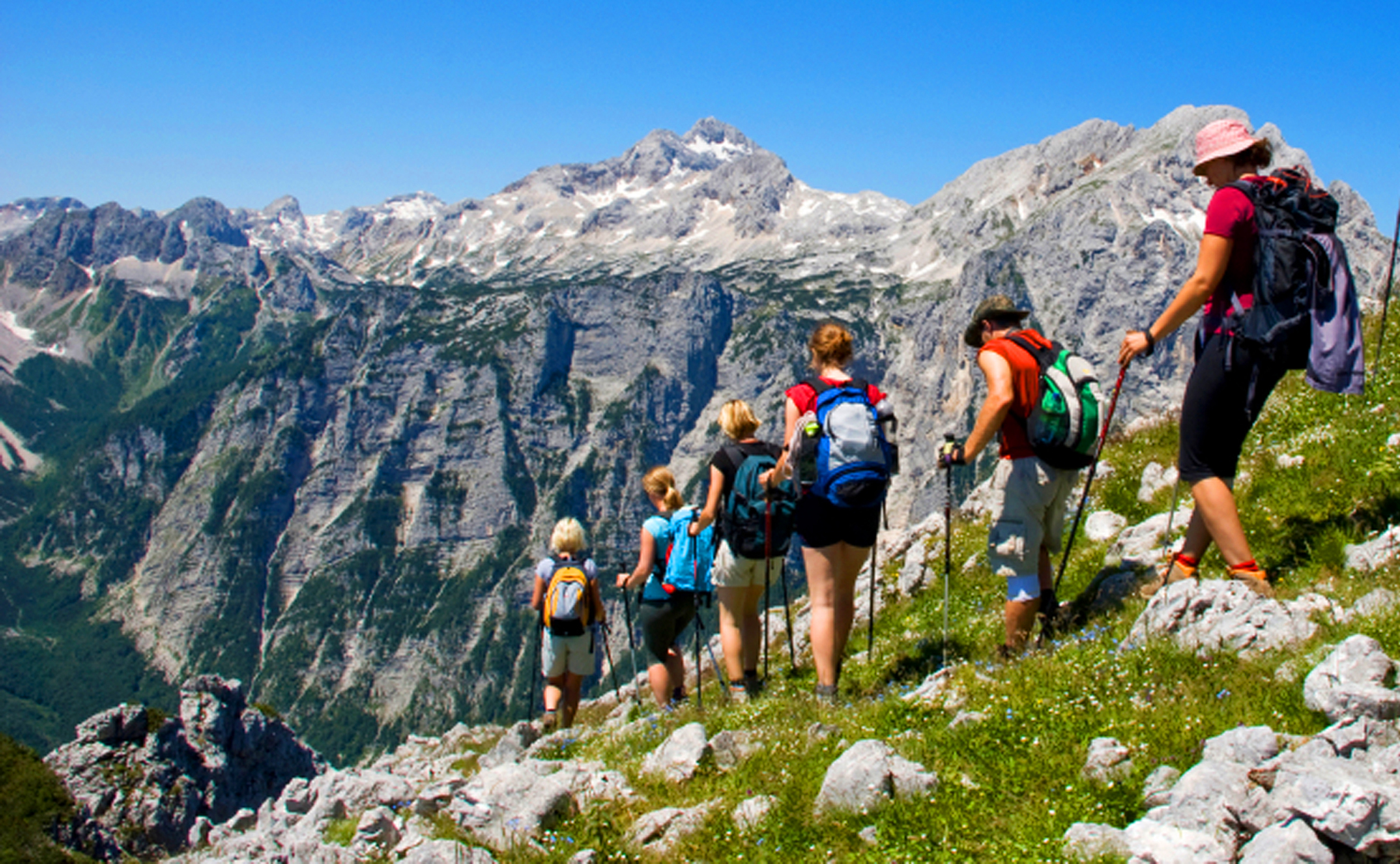 A fit body is a happy body, and one of the best ways to stay healthy
is to get plenty of exercise. Hiking is an efficient way to increase
your action level, while offering an excess of health benefits. Start
gradually, especially if you are a bit out of shape. Invest in a sturdy
pair of hiking boots and do your research first. Many hiking trails are
evaluated by intensity, so get a hiking guide and start out at the level
that is correct for you. Get your doctor's advice before hiking if you
are pregnant or have any health issues, such as heart illness or even if
you are diabetic.
A fit body is a happy body, and one of the best ways to stay healthy
is to get plenty of exercise. Hiking is an efficient way to increase
your action level, while offering an excess of health benefits. Start
gradually, especially if you are a bit out of shape. Invest in a sturdy
pair of hiking boots and do your research first. Many hiking trails are
evaluated by intensity, so get a hiking guide and start out at the level
that is correct for you. Get your doctor's advice before hiking if you
are pregnant or have any health issues, such as heart illness or even if
you are diabetic.Improves Your Overall Health
Hiking is an exceptional way to get outdoors and get some exercise. Hiking offers prosperity in overall health benefits and may help extend your life. Moderate-intensity aerobic exercise, including hiking at your own level, is safe for most people, according to the Centres for Illness Control and Prevention.
Lowers Your Risk of Cardiovascular Disease
Take a hike to help keep your cardiac system top shape. Regular exercise, such as hiking, helps raise your high-density lipoprotein levels and lower your triglyceride levels. This diminishes your risk of heart disease, high blood pressure and of having a stroke.
Helps Prevent and Control Diabetes
Aerobic undertakings such as hiking bring in extra oxygen and fuel your muscles, organs and even body tissues. This additional oxygen provides an enhancement fuelled by a process called Glycolysis whereby energy is created when glucose is broken down and this strengthens your muscles and lungs, while increasing your stamina, attentiveness and energy level.
Lowers Your Cancer Risk
Hiking helps decline your odds of developing cancer cells. There is a lesser risk of breast cancer and colon cancer linked with regular physical exercise, and it may also drop your chances of acquiring lung cancer and endometrial cancer.
Source


